Blog
Top Reasons Every Home Needs a Powerful Cooking Ventilation Fan (2026 Guide)
Why Each Home Needs a High Quality Cooking Ventilation Fan
You’ve fair wrapped up burning an idealized ribeye steak. The hull is golden-brown, the smell is mouth-watering, but there’s one issue: your kitchen is right now a mist bank of smoke, and your smoke finder is shouting at you.
This is the classic “ventilation regret.” We regularly spend thousands on high end ranges and stone countertops, but we neglect the most dedicated apparatus in the room: the cooking ventilation fan.
A legitimate ventilation system is almost more than fair clearing smoke; it’s approximately ensuring your wellbeing, protecting your cabinetry, and making your home a more breathable space. In this direct, we’ll plunge into everything you require to know around choosing and keeping up the right fan for your culinary sanctuary.

The Covered up Science of Kitchen Air Circulation
When you cook, you aren’t fair to create warmth. You’re discharging a complex cocktail of carbon monoxide, nitrogen dioxide, and tiny oil particles into the discussion. Without a appropriate kitchen ventilation procedure, these toxins wait, settling on your dividers and inevitably entering your lungs.
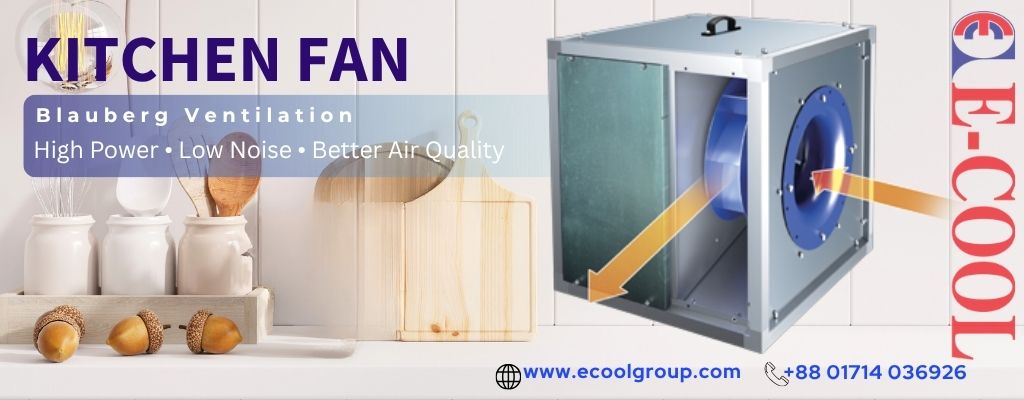
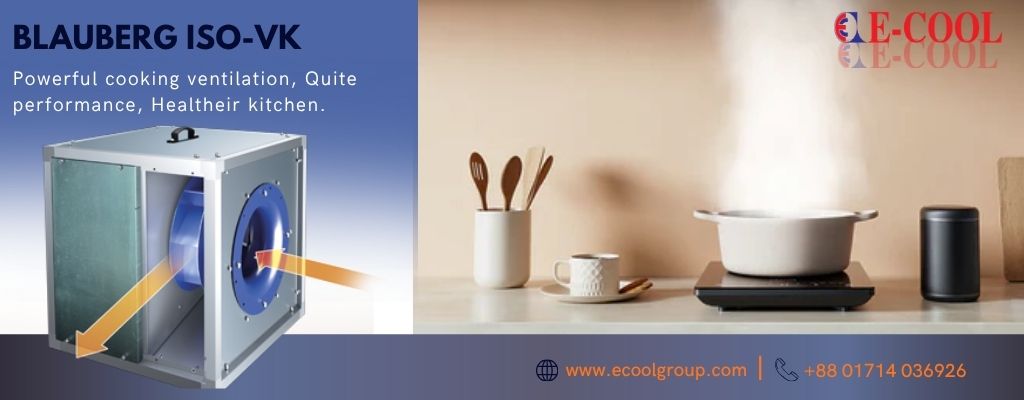
A high performance cooking ventilation fan acts as the lungs of your kitchen. It makes a weight vacuum that pulls sullied discussion through a filtration framework some time recently either debilitating its exterior or recycling cleaned discussion back into the room.
How It Works: Extraction vs. Recirculation
Ducted Frameworks (Extraction): These fans vent the air specifically exterior through a divider or roof conduit. This is the gold standard for smoke expulsion and warm reduction.
Ductless Frameworks (Distribution): These utilize charcoal channels to clean the air some time recently blowing it back into the kitchen. Whereas less demanding to introduce, they require more visit channel maintenance.
Key Benefits of a Premium Cooking Ventilation Fan
Investing in a quality framework isn’t a luxury, it’s a domestic upkeep need. Here is why a cooking ventilation fan is a game-changer for your every day routine:
Effective Oil Administration: A quality oil channel traps air borne oils some time recently they can coat your ceiling and cabinets in a sticky film.
Heat Diminishment: Cooking on a summer evening can turn a kitchen into a sauna. Ventilation makes a different drag that encompasses warmth out of the room.
Odour Control: No one needs their house to scent like fried fish three days after the feast is over.
Property Esteem: High-quality kitchen air circulation frameworks are a major offering point for present day homebuyers who esteem a clean, useful kitchen.
Safety: By expelling combustion byproducts (particularly vital for gas ranges), you guarantee a more secure environment for children and pets.
Choosing the Right Fan for Your Space
Not all fans are made up to. Depending on your kitchen format, you might require a particular sort of wall-mounted exhaust fan or a coordinated under-cabinet model.
1. Control and CFM Ratings
Airflow is measured in Cubic Feet per Diminutive (CFM). As a run the show of thumb, for gas ranges, you need 100 CFM for each 10,000 BTUs of burner yield. For electric stoves, 100 CFM per straight foot of cooktop width is as a rule sufficient.
2. Commotion Levels (Sones)
Nobody needs a cooking ventilation fan that sounds like a fly motor taking off. See for models evaluated between 1 and 3 sones for a calm, conversational encounter. Anything over 5 sones might lead you to turn the fan off right when you require it most.
3. Filtration Types
Most cutting edge units highlight perplex channels or work channels. Confused channels (stainless steel) are by and large more strong and dishwasher-safe, making them a favorite for those who cook frequently.
Practical Tips for Greatest Efficiency
To get the most out of your cooking ventilation fan, you require it to utilize it accurately. Here are a few pro-tips from the experts:
Start Early: Turn your fan on for 5 minutes, some time recently you begin cooking to build up a consistent wind stream pattern.
The Back-Burner Run the show: If you are as it were utilizing one or two containers, put them on the back burners. Most fans are more effective at pulling air from the rise of the stove.
Clean the Channels: A clogged oil channel diminishes wind streams altogether and makes a fire danger. Point to clean yours each 1–2 months.
Cross-Ventilation: If your fan is battling, split a window in an adjoining room to give “make-up air,” which makes a difference to the fan drag more effectively.
Frequently Inquired Questions
How tall ought my cooking ventilation fan be installed?
Generally, a hood ought to be 24 to 30 inches over an electric cooktop and 30 to 36 inches over a gas run. As well tall, and it won’t capture the smoke; as well moo, and it gets to be a fire risk.
Can I introduce a wall mounted exhaust fan myself?
If you are supplanting an existing unit with the same measurements, it’s a reasonable DIY extend. In any case, if you are cutting unused gaps for ductwork, it’s best to contract a proficient to guarantee legitimate fixing and fire safety.
How regularly ought to I supplant charcoal filters?
In ductless models, charcoal channels ought to be supplanted each 3 to 6 months depending on how regularly you broil or sauté food.
Not essentially! High-end brands utilize bigger blowers that turn at lower speeds to move the same sum of air with essentially less noise.
Breathe Easier While You Create
Breathe Less demanding Whereas You Create.
Your kitchen is the heart of your home, but it shouldn’t be the source of indoor air contamination. Selecting the right cooking ventilation fan is a venture in your wellbeing, your home’s cleanliness, and your in general cooking enjoyment.
Whether you’re looking for a smooth wall-mounted exhaust fan to make a plan articulation or a heavy-duty pro-style hood for high-heat burning, prioritizing air quality is the most astute move a domestic chef can make.